
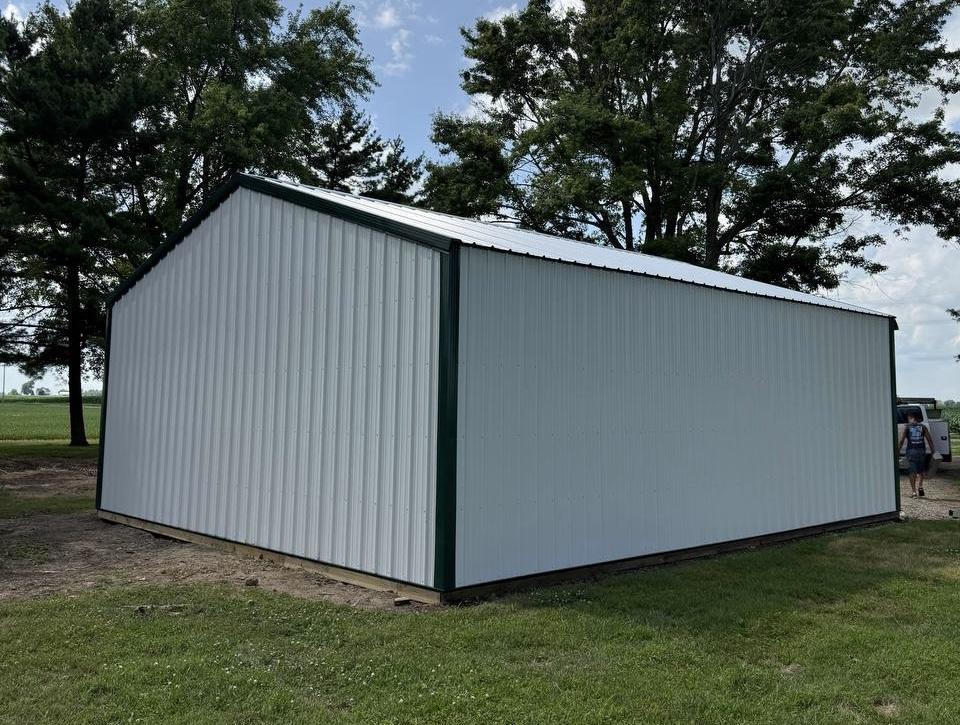
Restoring an existing barn can preserve historical character, improve functionality, and extend the life of a valuable structure. Whether you’re renovating an old agricultural building or repurposing a historic barn for modern use, understanding barn restoration cost helps you plan effectively and make informed decisions.
This blog covers the major factors that influence restoration expenses, typical cost ranges, common project components, and tips for budgeting without making assumptions that apply to every situation.
What Is Barn Restoration?
Barn restoration involves repairing and renovating an existing barn structure to improve safety, usability, and longevity. Projects can range from basic structural repairs to complete overhauls that include new siding, roofing, insulation, flooring, and interior upgrades.
Restoration differs from simple maintenance or repair because it often involves significant work to return the building to usable condition or adapt it for new functions.
Key Factors That Influence Barn Restoration Cost
Barn restoration cost varies widely depending on several factors. Understanding these elements helps property owners anticipate expenses and prioritize work.
Structural Condition
The condition of the foundation, framing, and load-bearing elements has a significant impact on cost. Extensive structural damage requires more materials, labor, and engineering input, increasing total project cost.
Size and Complexity
Larger barns with complex layouts or additional features (lofts, multiple bays, attached lean-tos) typically cost more to restore than simple single-bay structures due to greater surface area and more components to address.
Materials Used
Choices related to roofing, siding, flooring, and finishes influence costs. Historic or custom materials may add expense compared with standard modern replacements.
Required Permits and Inspections
Local building codes may require permits, structural inspections, or engineering reviews. Permit fees and the cost of professional reports contribute to the overall project budget.
Labor Rates
Labor costs vary by region and contractor experience. Skilled craftsmen familiar with historic barn restoration or specialized techniques may charge higher rates but can improve workmanship quality.
Accessibility and Site Conditions
Barns located in areas with limited access, steep terrain, or challenging ground conditions may require additional preparation, equipment, or time, which increases labor costs.
Typical Barn Restoration Cost Ranges
While prices vary based on project specifics, common restoration cost ranges can help provide a general idea of what to expect.
| Project Component | Typical Cost Range |
| Structural repairs | $5,000 – $30,000+ |
| Roof replacement | $4,000 – $20,000+ |
| Siding replacement or repair | $3,000 – $15,000+ |
| Foundation stabilization | $5,000 – $25,000+ |
| Interior flooring and finishing | $2,000 – $10,000+ |
These ranges are estimates and may differ significantly based on barn size, materials, local labor costs, and project scope.
Cost Components Explained
Structural Repairs
Repairing or reinforcing framing, beams, posts, and foundations often represents a substantial portion of restoration cost. These elements must support loads safely and align with current building standards.
Roof Replacement
Roofing work includes removing old material, repairing deck boards or rafters, and installing new roofing material. The choice of roofing type (metal, shingles, etc.) influences cost. Roofing also affects interior protection and energy performance.
Siding and Exterior Finishes
Restoration may include repairing or replacing siding to protect the interior from moisture and improve aesthetics. Material selection (wood, metal, or composite) affects pricing.
Foundation Work
Foundation stabilization addresses settlement, cracks, or deterioration. Projects can include underpinning, levelling, and drainage improvement to ensure long-term structural performance.
Interior Work and Finishes
Restoring interior flooring, insulation, windows, or other finishes adds to the overall project cost. These elements affect usability for storage, workspace, or adaptive reuse.
Ways to Manage Barn Restoration Costs
Prioritize Essential Repairs First
Focusing first on structural integrity and roof protection prevents further damage and establishes a stable base for additional work.
Shop Multiple Quotes
Contractors may vary in pricing, material recommendations, and timeline estimates. Comparing multiple qualified bids helps identify realistic cost expectations.
Consider Phased Restoration
Large projects can be divided into phases to spread costs over time while still moving toward a complete restoration.
Reuse Materials Where Practical
Salvaging usable wood, hardware, or trim can help preserve historic character and reduce material costs. However, ensure reused elements meet performance and safety needs.
Other Considerations
Historic Preservation Requirements
If the barn has historical designation or is part of a heritage project, additional rules and oversight may apply. These requirements can affect materials, methods, and cost.
Insurance and Safety
Evaluate whether existing insurance covers aspects of restoration and ensure safety protocols are followed during construction.
Future Use Planning
Consider how the restored barn will be used — for storage, livestock, events, or habitable space — as use cases influence required upgrades and finishing choices.
Frequently Asked Questions
What is the most expensive part of barn restoration?
Structural repairs and foundation work typically represent the highest cost components due to labor intensity and materials needed to ensure safety.
How long does barn restoration take?
Project duration depends on the extent of work. Simple repairs may take weeks, while comprehensive restoration can take several months.
Can I restore a barn myself?
DIY restoration is possible for some aspects, but structural work and roofing usually require professional expertise for safety and compliance.
Do I need a permit for barn restoration?
Many areas require permits and inspections, especially when structural elements are modified. Local building departments can provide specific guidance.
Conclusion
Understanding barn restoration cost involves evaluating structural needs, material choices, labor rates, and local requirements. Costs vary based on project complexity and condition, but planning and professional estimates help clarify expectations.
If you are considering a barn renovation project and want reliable cost insights, we can help with evaluation and planning. Call us today to discuss your restoration needs and get an estimate tailored to your project.