
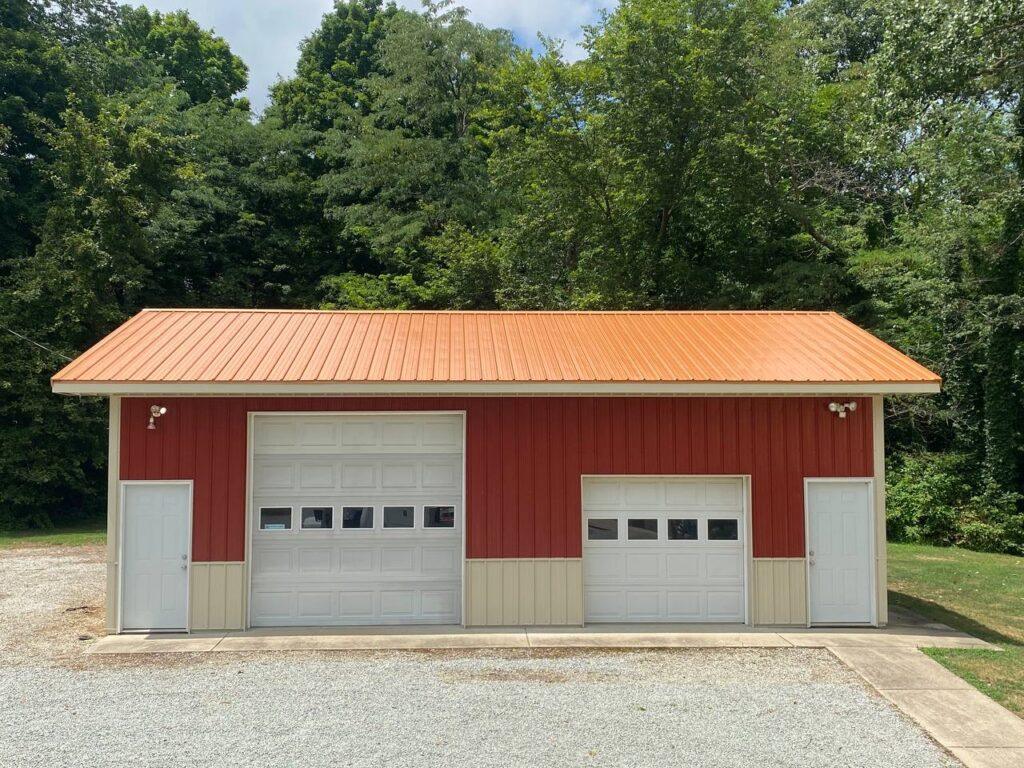
Barns are more than agricultural structures. They represent craftsmanship, local history, family heritage, and long-term value. Whether a barn serves as a working farm building, an event venue, storage facility, workshop, or future living space, restoring it is often more economical and environmentally responsible than replacing it.
One of the first questions property owners ask is simple:
“What is the actual barn restoration cost?”
The answer depends on far more than the size of the structure. Age, foundation condition, timber quality, roofing materials, structural damage, accessibility, labor availability, and restoration goals all influence the final investment.
According to the U.S. Department of Agriculture, millions of agricultural buildings across the United States continue to age while remaining valuable assets for rural communities. Many of these structures can continue serving owners for decades with professional restoration and proper maintenance.
This guide explains everything you need to know about barn restoration cost in 2026, including average pricing, major cost factors, budgeting strategies, common repairs, and how choosing the right restoration contractor helps protect your investment.
Why Restore Instead of Replace?
Many older barns were constructed using old-growth timber that is significantly denser and stronger than much of today’s commercially harvested lumber.
Professional restoration helps preserve:
- Historical craftsmanship
- Structural integrity
- Property value
- Agricultural functionality
- Heritage and architectural character
- Environmental sustainability through material reuse
Replacing an entire barn often costs considerably more than restoring a structurally sound building.
For many property owners, restoration provides the best balance between performance, longevity, and cost.
Average Barn Restoration Cost in 2026
Every project is unique, but the following table provides a general idea of current restoration costs.
| Restoration Type | Estimated Cost Range |
| Minor repairs | $5,000 to $15,000 |
| Roof restoration | $10,000 to $40,000 |
| Timber frame repairs | $15,000 to $75,000 |
| Foundation stabilization | $10,000 to $60,000 |
| Structural restoration | $40,000 to $150,000+ |
| Full historic barn restoration | $75,000 to $300,000+ |
These estimates vary based on:
- Location
- Material prices
- Labor costs
- Building size
- Structural condition
- Permit requirements
- Historical preservation requirements
The only accurate way to determine your project budget is through an on-site inspection.
What Factors Affect Barn Restoration Cost?
Several components determine the final investment.
1. Barn Size
Larger barns naturally require:
- More lumber
- More roofing materials
- More labor
- Larger equipment
- Additional engineering
A 1,500-square-foot barn costs significantly less to restore than a 6,000-square-foot structure.
2. Structural Condition
The overall health of the barn has one of the biggest impacts on cost.
Professionals inspect:
- Load-bearing beams
- Floor framing
- Roof trusses
- Posts
- Girts
- Mortise-and-tenon joints
- Foundation movement
Minor cosmetic deterioration costs far less to repair than widespread structural failure.
3. Roof Damage
Roof failure is one of the leading reasons barns deteriorate.
Common issues include:
- Missing metal panels
- Rotting roof decking
- Water intrusion
- Truss movement
- Rust
- Broken fasteners
Replacing the roof early often prevents tens of thousands of dollars in additional structural repairs later.
4. Foundation Problems
Foundation repairs can significantly influence total restoration costs.
Common issues include:
- Settlement
- Cracked concrete
- Stone wall movement
- Moisture intrusion
- Frost damage
Ignoring foundation movement allows additional structural damage throughout the building.
5. Timber Replacement
Historic barns frequently contain massive hardwood beams.
Professionals determine whether timbers should be:
- Repaired
- Sistered
- Reinforced
- Replaced
- Reclaimed
Using reclaimed lumber often maintains the original appearance while preserving historical authenticity.
6. Exterior Siding
Siding restoration may involve:
- Board replacement
- Painting
- Staining
- Structural fastening
- Moisture protection
Some barns require only localized repairs while others need complete siding replacement.
7. Interior Renovations
Costs increase when owners convert barns into:
- Event venues
- Homes
- Workshops
- Retail spaces
- Offices
- Entertainment areas
Interior improvements may include:
- Electrical systems
- HVAC
- Plumbing
- Insulation
- Flooring
- Drywall
- Fire protection
8. Accessibility
Remote properties increase project costs because contractors must transport:
- Equipment
- Materials
- Lifts
- Cranes
- Skilled labor
Difficult access often extends project timelines.
Typical Barn Restoration Services
Professional restoration typically includes multiple phases.
| Restoration Service | Purpose |
| Structural inspection | Evaluate safety and stability |
| Foundation repair | Stabilize building |
| Roof replacement | Stop water intrusion |
| Timber repair | Restore framing strength |
| Siding restoration | Protect exterior |
| Window replacement | Improve weather protection |
| Door restoration | Preserve functionality |
| Drainage improvements | Prevent future moisture damage |
| Painting and staining | Improve appearance and protection |
| Preventive maintenance | Extend service life |
Signs Your Barn Needs Restoration
Early intervention often reduces overall restoration costs.
Watch for:
- Sagging rooflines
- Leaning walls
- Water stains
- Soft wood
- Large foundation cracks
- Insect damage
- Loose siding
- Missing roof panels
- Mold growth
- Standing water
Waiting several years usually results in significantly higher repair costs.
Cost Breakdown by Major Project Component
While every project differs, many restoration budgets follow a similar pattern.
| Component | Typical Share of Budget |
| Labor | 35 to 50% |
| Materials | 30 to 40% |
| Equipment | 5 to 10% |
| Engineering | 5 to 10% |
| Permits | 1 to 5% |
| Contingency | 10 to 20% |
Planning for unexpected discoveries helps avoid budget surprises.
Historic Barn Restoration vs Modern Barn Restoration
Historic restoration often costs more because contractors must preserve original construction methods.
Historic restoration may require:
- Matching original lumber
- Traditional joinery
- Preservation approvals
- Specialized craftsmen
- Reclaimed materials
Modern agricultural barns generally allow more flexibility with materials and construction techniques.
How to Reduce Barn Restoration Cost Without Sacrificing Quality
Smart planning helps maximize your investment.
Consider these strategies:
Repair Problems Early
Addressing small leaks before structural damage develops often saves thousands of dollars.
Preserve Original Materials
Repairing quality timber usually costs less than replacing entire framing systems.
Prioritize Structural Repairs
Focus first on:
- Foundation
- Roof
- Structural framing
- Moisture control
Cosmetic improvements can often wait until later phases.
Schedule Preventive Maintenance
Routine inspections help identify developing issues before they become major restoration projects.
Barn Restoration vs Barn Replacement
| Restoration | Replacement |
| Preserves character | Entirely new appearance |
| Often lower cost | Higher construction cost |
| Maintains historical value | Historical features lost |
| Less material waste | Greater environmental impact |
| Faster in many cases | Longer construction timeline |
Many structurally sound barns remain excellent restoration candidates.
Budgeting Tips for Barn Restoration
Before beginning your project, consider these budgeting recommendations.
- Obtain a professional inspection.
- Build a contingency fund of at least 10 to 20 percent.
- Prioritize structural safety.
- Request a detailed scope of work.
- Compare restoration options before deciding on replacement.
- Understand permit requirements.
- Plan future maintenance costs.
A realistic budget reduces unexpected expenses throughout the project.
Why Professional Assessment Matters
Every barn tells a different story.
Two barns built in the same year can require dramatically different restoration approaches depending on:
- Maintenance history
- Weather exposure
- Previous repairs
- Foundation movement
- Moisture conditions
- Structural loading
Professional evaluations identify hidden issues that may not be visible during a basic walkthrough.
Why Choose Set Apart Construction for Barn Restoration?
Restoring a barn requires more than construction experience. It requires an understanding of structural systems, quality craftsmanship, and long-term performance.
At Set Apart Construction, every restoration project begins with a careful evaluation of the building’s current condition. The goal is to preserve what remains structurally sound while addressing areas that could compromise safety or longevity.
The team focuses on practical restoration solutions that balance budget, durability, and the intended use of the building. Whether the project involves repairing aging timber, replacing damaged roofing, reinforcing structural components, or restoring an agricultural building for continued use, every recommendation is based on the unique needs of the property.
Additional Services Available from Set Apart Construction
Many restoration projects uncover opportunities to improve other parts of a property. Depending on the condition of the building and the owner’s goals, additional construction services may help complete the project more efficiently.
Visitors can explore other solutions available through Set Apart Construction, including barn construction, post frame buildings, agricultural construction, roofing, and related structural services by visiting the website at https://setapartconstruction.net/.
Property owners planning multiple improvements often benefit from coordinating restoration work with other building upgrades to reduce project timelines and improve long-term value.
Questions Every Property Owner Should Ask Before Restoring a Barn
Before investing in restoration, consider these questions:
- Is the foundation structurally stable?
- Can the existing timber framing be preserved?
- Has water damage spread beyond visible areas?
- Will the restored barn meet future needs?
- Is restoration more economical than replacement?
- What maintenance will be required over the next twenty years?
Thinking beyond the immediate repair helps maximize the long-term return on your investment.
The Long-Term Value of Barn Restoration
Barn restoration is about more than repairing an old structure.
A professionally restored barn can:
- Extend the building’s lifespan for decades
- Preserve architectural heritage
- Improve property functionality
- Increase resale appeal
- Reduce long-term maintenance costs
- Support sustainable construction practices through material preservation
Rather than viewing restoration as an expense alone, many owners see it as an investment in both the property’s future and its history.
Frequently Asked Questions (FAQs)
What is the average barn restoration cost?
Most barn restoration projects range from approximately $5,000 for minor repairs to over $300,000 for extensive historic restorations, depending on size, structural condition, materials, and project scope.
What affects barn restoration cost the most?
The largest cost factors include structural damage, roof condition, foundation repairs, timber replacement, building size, labor costs, accessibility, and whether the barn has historical preservation requirements.
Is restoring a barn cheaper than replacing it?
In many cases, yes. When the primary structural framework remains sound, restoration can cost significantly less than constructing a completely new barn while preserving valuable original materials and architectural character.
How long does a barn restoration project take?
Project timelines vary based on complexity. Minor repairs may take a few weeks, while complete structural restorations can take several months, especially if custom materials or specialized craftsmanship are required.
Can an old barn be restored safely?
Yes. A professional structural assessment determines whether the barn can be safely restored. Many older timber frame barns remain excellent candidates for restoration when repaired by experienced professionals.
Should I inspect my barn before requesting restoration estimates?
Absolutely. A comprehensive inspection identifies hidden structural issues, moisture damage, foundation movement, and material deterioration, allowing contractors to provide a more accurate restoration plan and budget.
Final Thoughts
Understanding barn restoration cost starts with recognizing that no two barns are exactly alike. The age of the structure, quality of original materials, level of deterioration, and intended future use all contribute to the overall investment.
While online estimates can provide a helpful starting point, a professional assessment remains the most reliable way to develop an accurate budget. By prioritizing structural integrity, addressing problems early, and working with experienced restoration professionals, property owners can preserve valuable buildings that continue serving future generations.
Whether your goal is to protect a working agricultural barn, preserve a historic landmark, or prepare a structure for a new purpose, careful planning and informed decision making will help ensure your restoration project delivers lasting value.